‘The Science of Opera’ from Stephen Fry
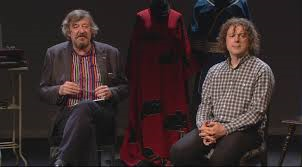
Polymath and opera buff Stephen Fry might have some answers to the physiology behind the way audiences respond to opera:
http://www.openculture.com/2013/10/stephen-fry-hosts-the-science-of-opera.html

Polymath and opera buff Stephen Fry might have some answers to the physiology behind the way audiences respond to opera:
http://www.openculture.com/2013/10/stephen-fry-hosts-the-science-of-opera.html
It’s awards time again and the 2012 Art Music Award winners will be announced at the Sydney Opera House on Amongst the nominees are some of the leading lights of Australian art music – Brett Dean, Elliot Gyger, Paul Stanhope, Ross Edwards, Peter Sculthorpe and Clare Maclean, as well as comparative newcomers Andrea Keller, Peter Knight…
Performing is a curious business. It regularly throws up conundrums and contradictions and one of those is the phenomenon of memory. Dancers develop their muscle memory from hours of rehearsal and cues from the accompaniment; memorising lines is implicit in being an actor. Solo instrumentalists almost always perform from memory. All opera singers work from memory, yet…
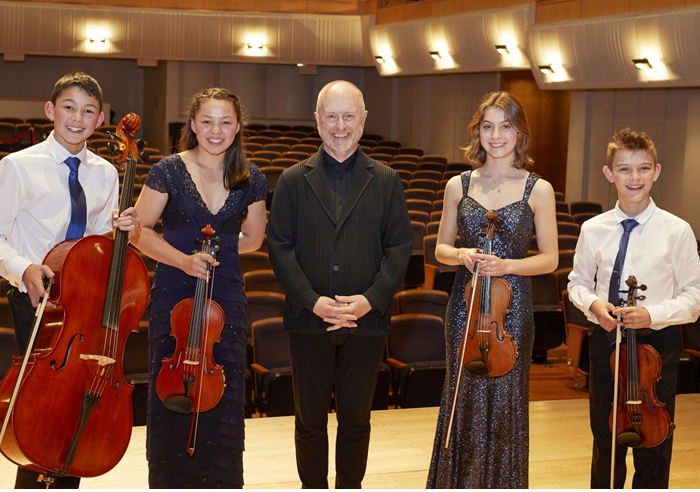
Congratulations to the Cousin Quartet who are the inaugural winners of Musica Viva’s Strike A Chord, the first National Chamber Music Championship for secondary school ensembles. Performing live from the City Recital Hall in Sydney, the group claimed the Robert Salzer Prize, worth $5, 000. This inaugural Strike A Chord Grand Final was livestreamed from…
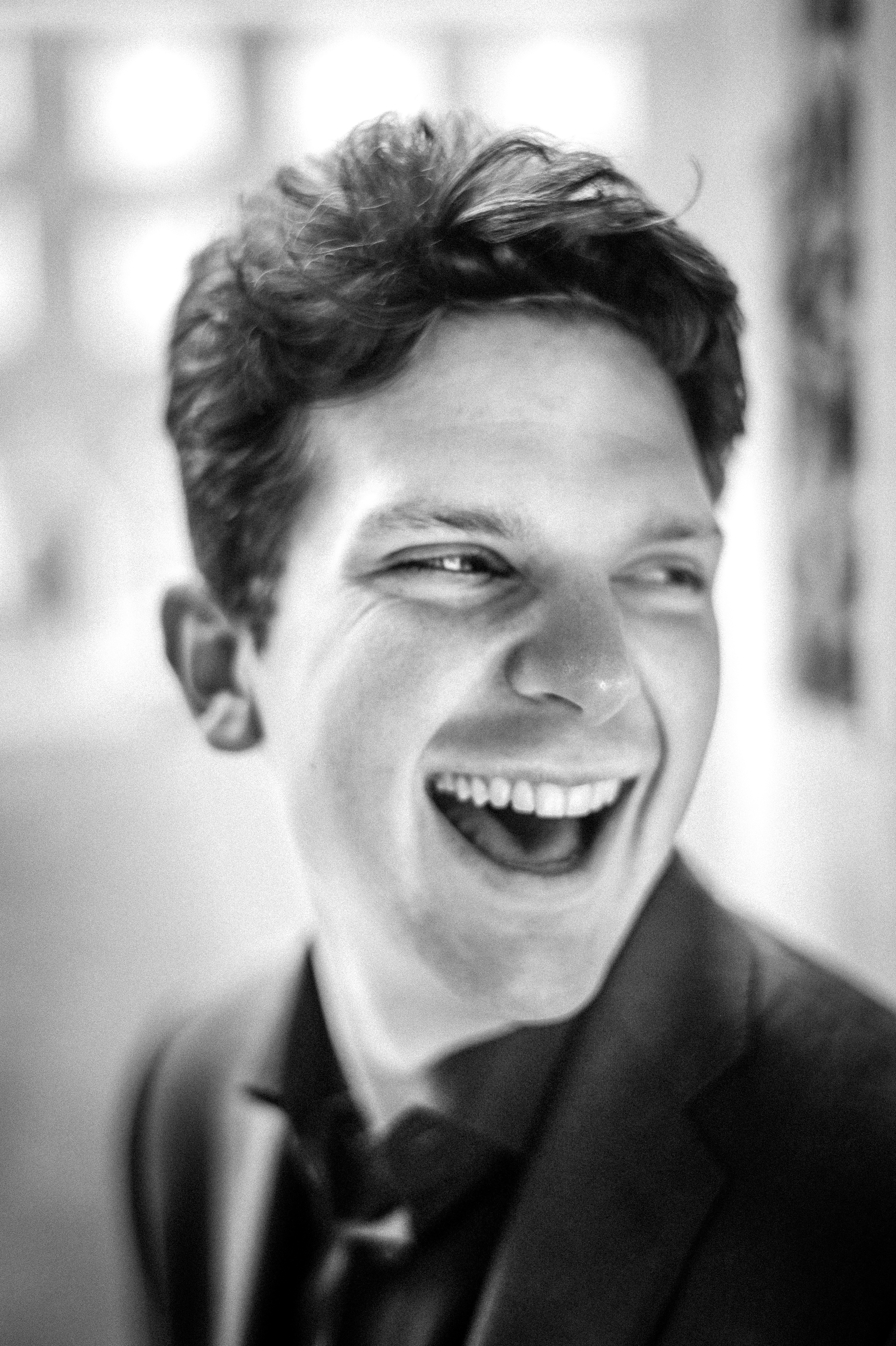
Deborah Humble interviews London based Australian pianist and winner of the 2014 Montreal International Musical Competition ahead of his debut album launch and Australian tour. Australian concert pianist Jayson Gillham is the perfect example of a quiet achiever. Described by one English critic as possessing “a calm, unshowy keyboard style” these adjectives could equally be…
Kasper Holten, the Director of Opera at the Royal Opera, Covent Garden since 2011, has announced that he will be stepping down from this role in 2017. Sydney audiences will be familiar with his work from his direction of Tchaikovsky’s opera Eugene Onegin for Opera Australia in 2014. Read the feature in Gramophone.
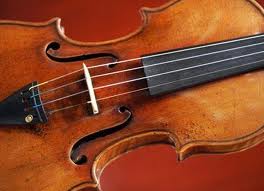
The Sydney Morning Herald reports on experiment conducted by a researcher at the University of Paris which casts doubt on the superior qualities of violins made by the Italian masters. At the proceedings of the US National Academy of Sciences, Professor Claudia Fritz and her colleagues reported on their double blinded trial in which 21 violinists attending…